Preschool and Elementary Program
Overview
The Preschool and Elementary Program at The Manila Times College of Subic provides a strong academic foundation during the most formative years of a child’s education. Guided by the DepEd K to 12 curriculum and strengthened by the school’s ongoing development as an International Baccalaureate candidate school, the program promotes inquiry, reflection, and responsible learning habits from an early age.
At this level, learning is carefully structured to ensure that students build essential skills in literacy, numeracy, communication, and problem solving. Teachers create classroom experiences that are engaging, developmentally appropriate, and academically purposeful. Students are encouraged to explore ideas, ask meaningful questions, and gradually take ownership of their learning.
The program recognizes that early education shapes not only academic competence but also confidence, curiosity, and character. Through consistent routines, guided activities, and collaborative learning experiences, students develop positive study habits, social responsibility, and respect for others. These foundational years prepare learners for increasing academic demands while nurturing a sense of belonging and self-awareness.
Educational Approach
Instruction in the early years encourages curiosity and structured inquiry. Teachers design lessons that guide students to ask questions, explore ideas, and make meaningful connections across subjects. Learning experiences are purposeful and developmentally appropriate, helping students build understanding through discussion, collaboration, and guided discovery.
As part of the school’s journey toward International Baccalaureate authorization, teaching practices are being aligned with international standards that emphasize inquiry-based learning, intercultural awareness, communication skills, and reflective thinking. Students are gradually introduced to habits that promote independence, responsibility, and global awareness.
Curriculum Framework
The curriculum is structured to support steady academic growth while promoting inquiry, conceptual understanding, and skill development across disciplines. Learning experiences are carefully sequenced to ensure that students build knowledge progressively, strengthen essential skills, and make meaningful connections between subjects. Instruction is designed to balance content mastery with opportunities for exploration, discussion, and guided reflection.
Preschool Curriculum
- Development of early literacy through phonics, storytelling, and guided reading activities
- Introduction to numeracy concepts including counting, patterns, and basic problem solving
- Language development through structured conversations and vocabulary building
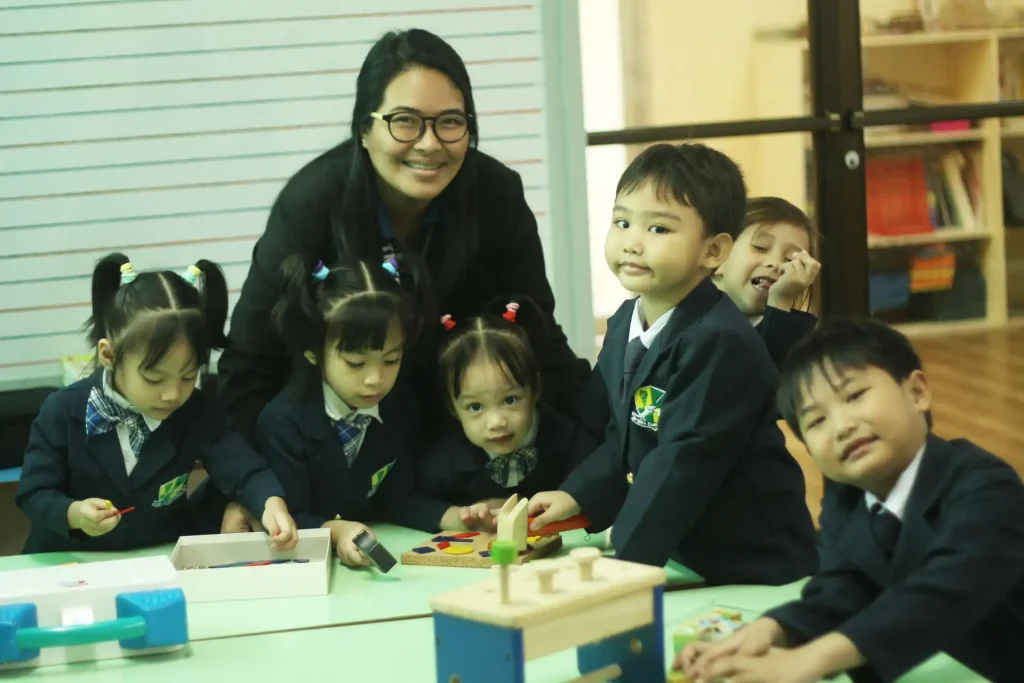
- Social skills formation through guided play, collaboration, and classroom routines
- Foundational exploration of science and the environment through observation and simple investigations
Elementary Curriculum (Grades 1–6)
- Strengthening of reading comprehension, writing skills, and effective communication
- Progressive Mathematics instruction focused on reasoning, application, and conceptual understanding
- Science learning that encourages observation, experimentation, and inquiry-based thinking
- Social Studies and Filipino that promote cultural awareness and civic understanding
- Integration of Arts, Music, Physical Education, and introductory Technology to support balanced development
Learning Environment and Student Development
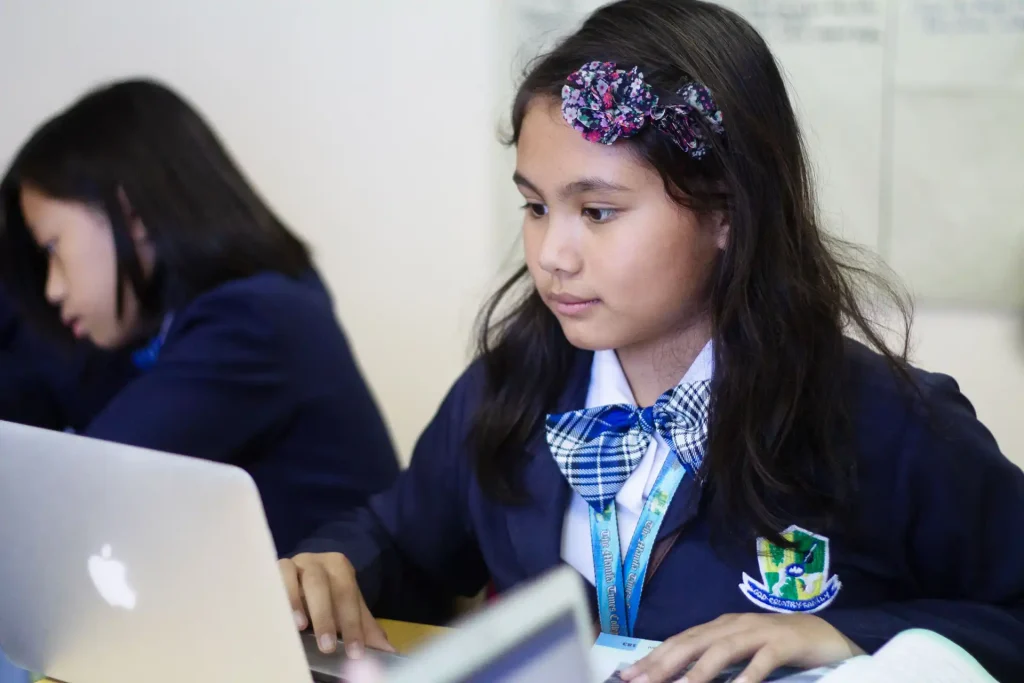
The learning environment in Preschool and Elementary classrooms is structured, supportive, and focused on student engagement. Teachers serve as facilitators of learning, guiding students to think critically and reflect on their work. Respect, discipline, and accountability are consistently reinforced.
Character formation is integrated into daily instruction. Students are encouraged to demonstrate integrity, empathy, open-mindedness, and cooperation. These values reflect the qualities associated with internationally minded learners and align with the school’s long-term educational vision.
Preparation for Junior High School
By the end of the Elementary years, students are expected to demonstrate academic competence, independent study habits, and increasing confidence in managing their responsibilities. The program intentionally develops research skills, organizational abilities, and critical thinking strategies that are necessary for success in Junior High School.
Learners are gradually introduced to more complex tasks, longer projects, and structured assessments that mirror the academic expectations of the next level. Teachers guide students in setting goals, reflecting on their progress, and developing accountability for their work.
This careful preparation ensures that students transition smoothly into Junior High School with the knowledge, skills, and character needed to meet higher academic standards and expanded learning opportunities.